
Introduction
A modern fitness center should cater to everyone—from casual gym-goers to serious athletes. But how do you design a space that works for such a wide range of users? The answer lies in creating multi-functional fitness zones that accommodate diverse workout routines. By optimizing space and strategically planning your layout, you can make your gym a destination for anyone looking to achieve their fitness goals.
In this blog, we’ll explore the importance of multi-functional fitness zones, provide design tips, and show how they can enhance user experience and satisfaction.
Why Multi-Functional Fitness Zones Matter
Multi-functional fitness zones are areas designed to support a variety of workout styles, such as strength training, cardio, functional fitness, and stretching. Here’s why they’re essential:
- Maximize Space Efficiency: By designing zones that can serve multiple purposes, you make the most of your available square footage.
- Accommodate Diverse Users: A gym with designated areas for different activities attracts a broader range of members.
- Enhance User Flow: Clear zones reduce congestion and make it easier for users to find the equipment or space they need.
- Encourage Engagement: Specialized areas, such as functional fitness spaces, inspire members to try new exercises and routines.
Designing Multi-Functional Fitness Zones
- Understand Your Demographics
Start by analyzing the needs of your members. Are they mostly beginners, athletes, or a mix? Understanding your audience helps you prioritize the types of zones to include. - Plan for Key Zones
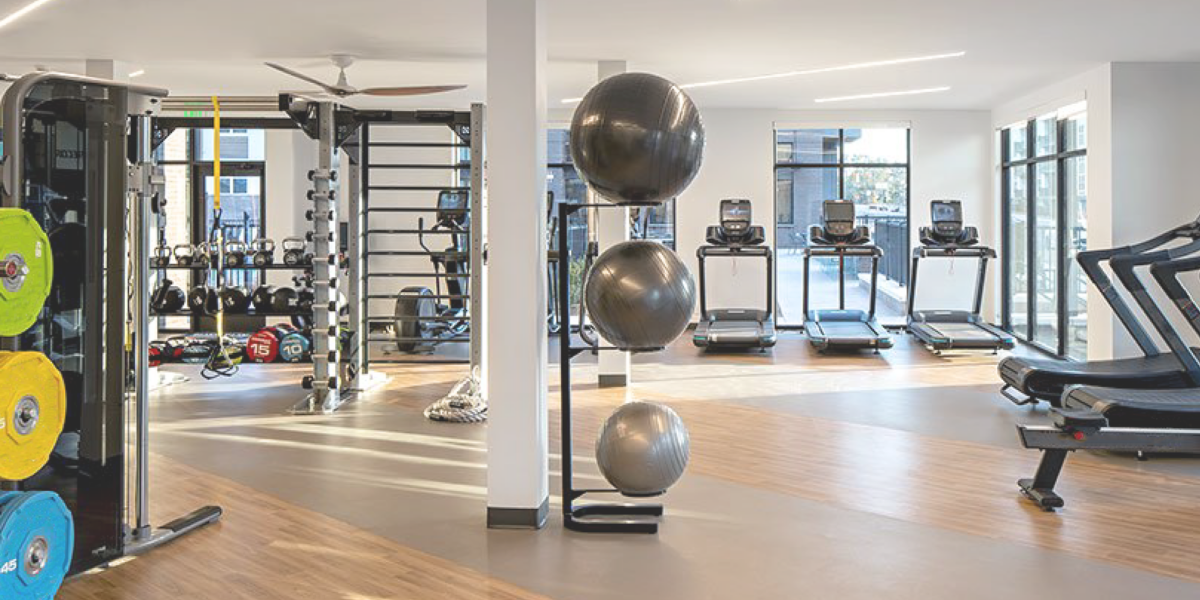
- Cardio Area: Group treadmills, ellipticals, and bikes in a well-ventilated space. Position them near windows or screens for entertainment.
- Strength Training Zone: Dedicate an area for free weights, resistance machines, and benches. Ensure there’s adequate spacing for safety.
- Functional Fitness Zone: Include open spaces for dynamic movements, kettlebells, battle ropes, and TRX systems.
- Stretching and Recovery Area: Create a quiet corner with mats, foam rollers, and light equipment for recovery exercises.
- Invest in Versatile Equipment
Multipurpose machines and equipment—such as adjustable benches, combo cable machines, and modular racks—are ideal for saving space while meeting various workout needs. - Use Clear Signage and Markings
Label each zone with clear signs or floor markings to guide members. This improves user flow and minimizes confusion. - Focus on Aesthetics and Comfort
A welcoming design—with good lighting, mirrors, and inspiring decor—makes your gym more enjoyable for users.
How Multi-Functional Zones Benefit Your Facility
- Higher Member Retention: A well-organized gym encourages users to explore different zones, reducing monotony and increasing long-term engagement.
- Attract New Members: Offering diverse workout options gives your facility a competitive edge.
- Improved Operational Efficiency: Designated zones help staff manage equipment and ensure everything runs smoothly.
Conclusion
Designing multi-functional fitness zones is about more than just dividing your space—it’s about creating an environment that inspires and accommodates every member. By understanding your audience, investing in versatile equipment, and prioritizing user experience, you can turn your gym into a dynamic and welcoming space for all.