
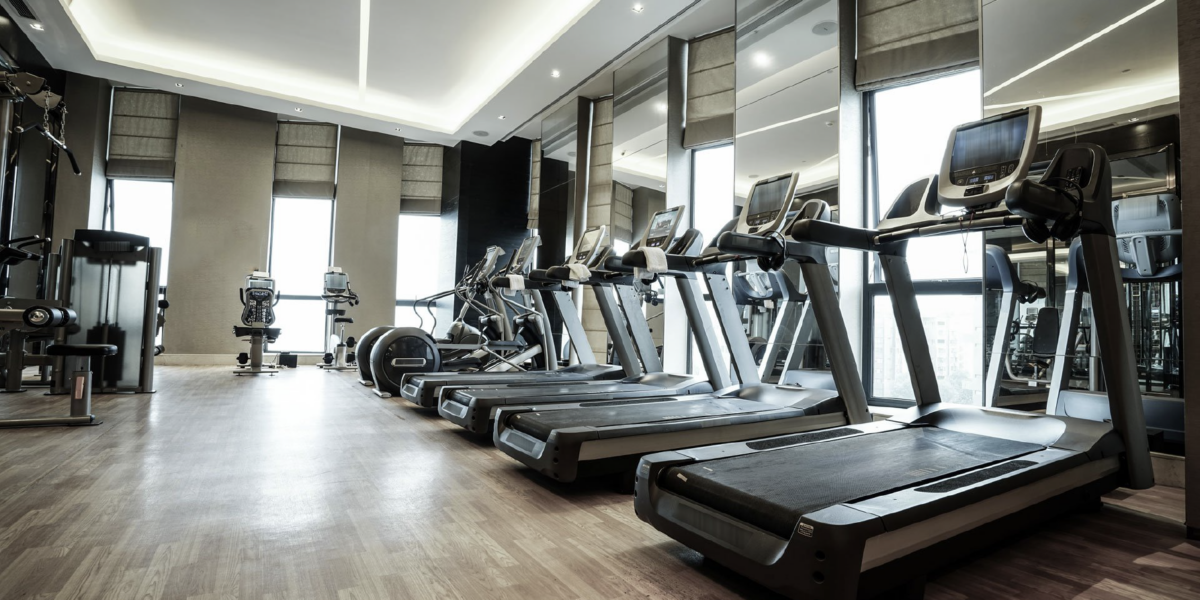
When designing a fitness center, flooring is often an overlooked element. However, quality flooring plays a crucial role in enhancing safety, performance, and durability in high-use fitness environments. For any facility serving a diverse range of users, the right flooring can reduce impact on joints, minimize slip risks, and provide a stable surface for high-intensity activities. In this post, we’ll examine the benefits of different flooring options, such as rubber, turf, and vinyl, and how these choices impact user experience and facility upkeep.
Importance of High-Quality Flooring
For fitness facilities, safety and durability are top priorities. Flooring must withstand the rigors of heavy equipment, high foot traffic, and a variety of workout styles. It also impacts user comfort and helps prevent injuries, especially for high-impact or high-intensity activities. Poor flooring choices can lead to a higher risk of slips, falls, and joint strain, making it essential to choose the right type of flooring to meet these demands.
Rubber Flooring: Durability and Shock Absorption
Rubber flooring is widely used in fitness facilities due to its durability and impact-absorbing properties. It’s a versatile option for high-traffic areas and supports heavy weights without damage. Rubber flooring is highly slip-resistant, making it ideal for weightlifting zones where stability and safety are critical. Additionally, rubber’s shock absorption benefits users by reducing strain on joints, particularly for high-impact exercises.
Benefits:
- High durability for weight zones and heavy foot traffic
- Excellent slip resistance, reducing accident risks
- Shock-absorbing properties to protect users’ joints
Turf: Functionality and Aesthetic Appeal
Artificial turf is gaining popularity in fitness centers for its ability to handle versatile activities, including sled pushes, agility drills, and functional training. It adds visual interest while creating a designated space for dynamic workouts. Turf offers minimal cushioning, which can be beneficial for activities focused on speed and agility. It also provides natural traction, enabling safe and effective movements during lateral drills and explosive exercises.
Benefits:
- Supports functional training and agility exercises
- Provides traction for safe movement during fast-paced workouts
- Visually defines workout zones and enhances facility aesthetics
Vinyl Flooring: Easy Maintenance and Versatility
Vinyl flooring is known for its ease of maintenance and durability, making it a suitable choice for high-use areas. This flooring option is resistant to moisture, which is essential in fitness environments where users may sweat, or water may be present. Vinyl offers sufficient cushioning for general cardio activities and can be installed in spaces with moderate to high traffic. With its sleek finish and wide range of colors, vinyl can be customized to match the facility’s aesthetic.
Benefits:
- Easy to clean and maintain, ensuring hygiene standards
- Moderate cushioning for cardio and general fitness zones
- Available in various designs to enhance the facility’s look
Conclusion
Selecting the right flooring for a fitness facility is essential to creating a safe, durable, and user-friendly environment. Flooring options such as rubber, turf, and vinyl offer unique benefits that support a range of activities, from weightlifting and functional training to cardio workouts. By investing in high-quality flooring tailored to the facility’s needs, you can provide a safer, more comfortable experience that encourages consistent use and enhances overall satisfaction.